Decorative Doily Cutout Gate Fold Card Review
As a designer who bridges the gap between digital fabrication and traditional needlework, I approach every new asset with a critical eye. When evaluating the Decorative Doily Cutout Gate Fold Card, my first thought isn't just about how it looks on a screen, but how it translates into a tangible, high-value item for my clients. In the world of Cards And Invites, this specific design stands out because it moves beyond flat printing into structural artistry. As a 3D SVG file, it offers a unique opportunity for makers to create dimensional paper goods that mimic the intricate beauty of lace without the fragility. For embroidery designers and mixed-media artists, this file serves as both a standalone product and a potential blueprint for textile adaptation.
First Impressions: Structural Elegance and Versatility
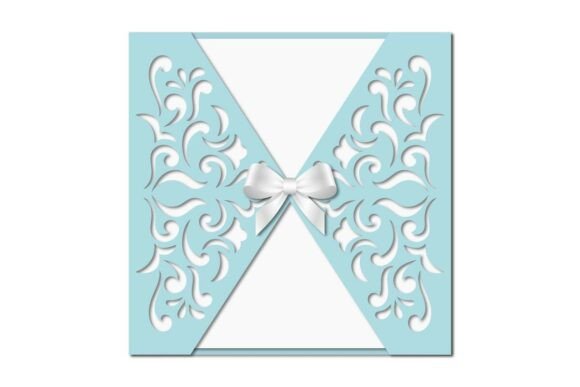
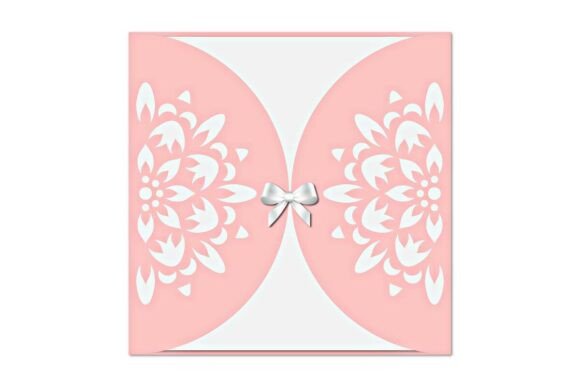
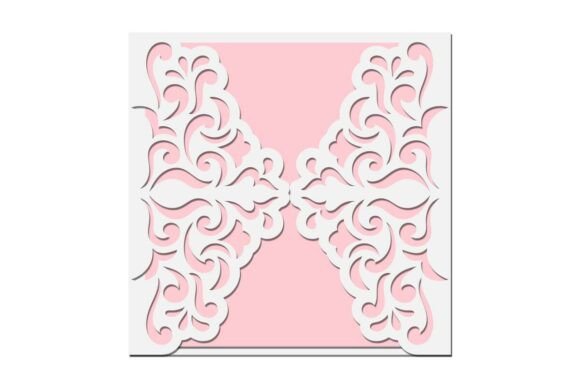
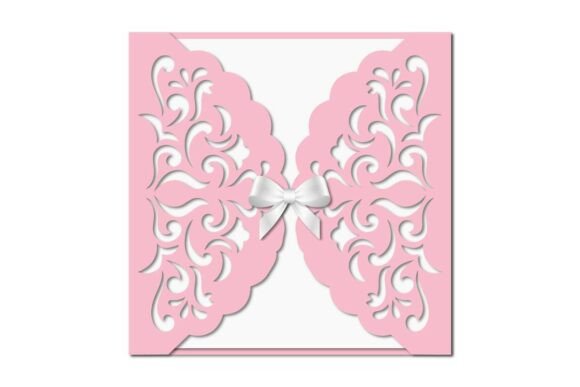
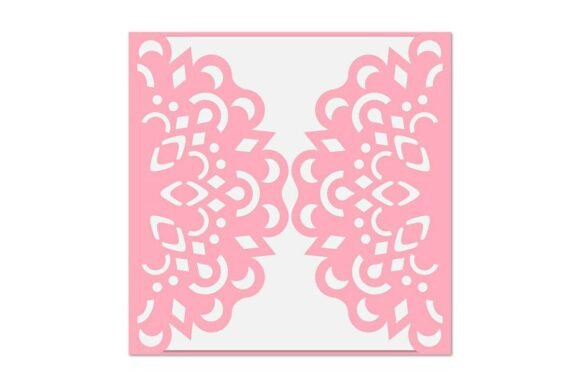
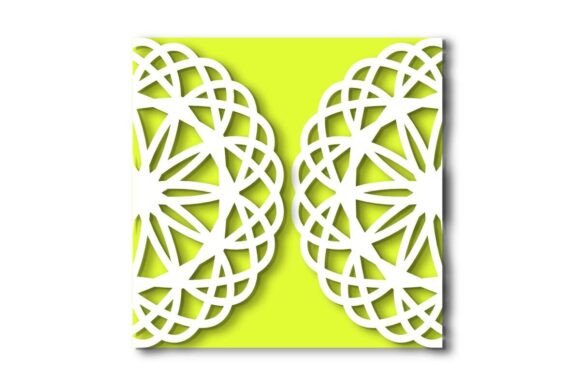
The immediate mood of the Decorative Doily Cutout Gate Fold Card is one of vintage sophistication meets modern precision. The square format provides a balanced canvas that feels substantial in the hand, distinguishing it from standard rectangular greetings. Visually, the doily pattern suggests delicacy, yet the gate fold mechanism implies engineering and intention. For an Etsy seller or boutique owner, this aesthetic signals quality. It doesn't look like a generic template; it looks like a curated handmade product.
From a production standpoint, the fact that each card comes as one piece cut plus the insert piece is a massive advantage. It reduces assembly friction, which is crucial when fulfilling bulk orders for weddings or corporate events. The ability to re-size the accompanying simple square envelope means you aren't locked into expensive, pre-made stationery supplies. This flexibility is exactly what creative entrepreneurs need to maintain healthy margins while offering a premium personalized gift option.
Real-World Application: From Digital File to Finished Product
I recently tested this concept while developing a line of luxury wedding stationery that needed to coordinate with embroidered bridal accessories. The challenge was creating a paper invitation that felt texturally similar to the custom apparel and linens we were producing. The Decorative Doily Cutout Gate Fold Card served as the perfect visual anchor. Because the design relies on negative space and intricate cutouts, it mirrors the openwork found in applique design and lace embroidery.
For those in the craft business sector, consider how this translates across different mediums. While primarily a paper craft asset, the geometric logic of this doily pattern is invaluable for embroidery project planning. If you are digitizing a matching tote bag design or sweatshirt embroidery, studying the line work of this SVG helps establish consistent motif sizing. I used the gate fold structure as a mockup base to show clients how their monogram would sit within a decorative border before stitching a single test swatch. This use of printable mockups saved hours of sampling time and increased client confidence in the final finished product.
Furthermore, for sellers focusing on holiday embroidery or seasonal gifts, this card design adapts beautifully. The square shape accommodates various themes, from Christmas ornaments to baby shower announcements. When paired with a coordinating embroidered patch or fabric tag inserted into the gate fold, the result is a multi-sensory unboxing experience that drives customer engagement and repeat sales.
Navigating Technical Constraints and Material Choices
Despite its versatility, the Decorative Doily Cutout Gate Fold Card requires careful handling, especially if you are adapting its aesthetics for textile use or pushing the limits of paper crafting. In paper form, the intricate cutouts demand precise blade calibration. If you are translating this complexity into a machine embroidery design, you must be vigilant about stitch density. Intricate doily patterns can easily become bulletproof patches if not properly underlaid, leading to puckering on lightweight fabrics.
When using this design inspiration for baby embroidery or items requiring frequent washing, avoid direct replication of the finest paper details. Paper doilies rely on physical integrity that thread cannot always sustain on stretchy knits. Instead, adapt the outer borders as satin stitch frames and use running stitch or fill stitch for interior motifs to maintain washability. Always verify your hoop size capabilities before committing to a large-scale adaptation; resizing complex vectors can sometimes distort corner details that are essential to the gate fold’s symmetry.
Material selection is equally critical. On dark fabrics, the delicate nature of a doily-inspired layout can get lost without proper contrast. Test your thread colors against the background rigorously. A white-on-cream tea towel might look elegant in a digital preview but disappear in person. Conversely, high-contrast threads on textured linen can make fine details appear jagged. Always use appropriate stabilizer; for openwork designs inspired by this card, a water-soluble topper combined with a cutaway backing often yields the crispest definition, ensuring the fabric texture enhances rather than obscures the design.
Elevating Brand Value Through Design Integrity
Using assets like the Decorative Doily Cutout Gate Fold Card correctly does more than produce a pretty object; it builds professional trust. Customers recognize when a small shop product has been thoughtfully engineered. The seamless integration of the insert piece and the resizable envelope demonstrates attention to detail that separates hobbyists from serious digital product sellers and artisans.
For commercial embroidery businesses, maintaining brand consistency across paper and textile goods creates a cohesive identity. When your packaging matches your merchandise, perceived value increases. However, this requires respecting licensing and technical specs. Before selling any derivative works or finished items based on this digital embroidery file or SVG, confirm the commercial usage terms. Nothing undermines buyer engagement faster than copyright disputes or poor-quality knockoffs that fail to honor the original design's integrity.
Practical Notes for the Working Maker
To get the most out of the Decorative Doily Cutout Gate Fold Card in a professional setting, adhere to these practical guidelines:
- Test Before Committing: Whether cutting paper or stitching fabric, always run a prototype. Check how the gate fold hinges hold up after repeated opening and closing, or how the embroidery registration holds on scrap fabric.
- Verify Specifications: The product description notes the square shape and included envelope template, but it does not list specific dimensions or stitch counts for textile adaptations. Measure your final card size accurately before resizing envelopes, and digitize or verify stitch parameters independently if converting to needlework.
- Contrast Checks: View your colorways in grayscale. If the design lacks clarity in black and white, it will lack depth in color. This is vital for personalized gifts where readability matters.
- Stabilizer Strategy: For paper-like crispness in embroidery, experiment with heavy-weight tear-away or wash-away stabilizers. Standard mid-weight options may not support the architectural feel of a doily motif.
- Mockup Utilization: Use the clean lines of this 3D SVG to create realistic digital previews for clients. Showing a custom apparel design nestled inside this gate fold card helps visualize scale and context better than a flat JPEG.
- Licensing Compliance: Clearly understand what you can and cannot sell. Can you sell the physical card? Can you sell the digitized version? Protecting your business means respecting the intellectual property of the design assets you utilize.
The Decorative Doily Cutout Gate Fold Card is more than a template; it is a study in structural beauty that rewards the thoughtful maker. By understanding its strengths and respecting its technical boundaries, you can transform this digital asset into a cornerstone of your creative inventory, delighting customers with products that feel as good as they look.