Latte Box Card SVG: A Maker’s Design Review
As a designer who constantly bridges the gap between digital files and tangible, stitched goods, I approach every new asset with a healthy dose of skepticism. When I first opened the Latte Box Card SVG, my immediate thought wasn't about paper crafting, but rather how this charming 3D layered aesthetic could translate into textile art. While marketed as a delightful pop-up card for birthdays or Mother’s Day, my professional eye sees something different: a structural blueprint for high-value embroidery projects. In the world of custom apparel and handmade products, we are often looking for designs that offer more than just a flat image; we want depth, personality, and a story. This file provides exactly that foundation.
Translating Paper Layers to Stitched Texture
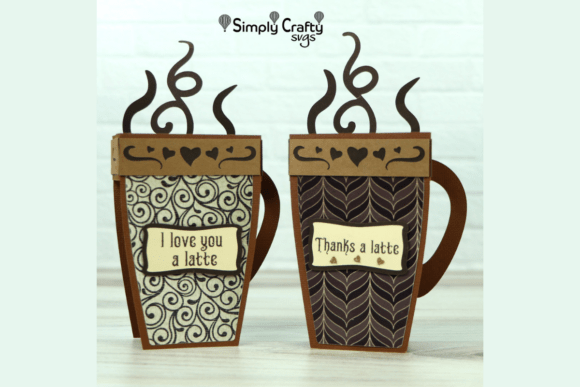
The visual personality of this design is undeniably cozy. It evokes warmth, comfort, and artisanal quality. However, moving from a vector-based 3D SVG to a machine embroidery design requires a shift in mindset. In paper crafting, layers create physical depth through shadow and spacing. In embroidery, we must replicate this depth using stitch density, thread colors, and fabric texture. I immediately began visualizing this not as a literal box card, but as an applique design for a premium tote bag or a sweatshirt embroidery project.
When evaluating this for real-world use, consider how the distinct "layers" of the latte cup can be separated into individual applique pieces. Instead of printing the design, you could cut these shapes from varying textures of fabric—perhaps a waffle knit for the cup body, a smooth cotton for the lid, and a plush minky or felt for the foam. This interpretation transforms a simple graphic into a tactile experience. For Etsy sellers and small shop owners, this level of dimensional detail signals quality to buyers. It moves the finished product away from generic mass production and firmly into the realm of bespoke craftsmanship.
Real-World Application: The Coffee Lover’s Tote
To truly test the viability of the Latte Box Card SVG, I mentally prototyped a specific scenario: creating a signature merchandise line for a local boutique coffee roaster. They needed a reusable tote bag design that felt personal rather than corporate. This is where the versatility of this 3D SVG shines. Because the original file is designed with separate layers for assembly, it is inherently optimized for multi-step embroidery digitizing.
In this hypothetical project, I would utilize the distinct sections of the latte shape to guide placement lines. The running stitch outlines meant for paper scoring become perfect basting guides for fabric alignment. For a commercial embroidery project like this, clarity is paramount. The bold, recognizable silhouette of the latte ensures that even when scaled down for a pocket-sized patch or scaled up for a large tote bag design, the image remains legible. Customers reacting to this on a store shelf aren't just seeing a coffee cup; they are seeing a stylized, artistic representation that feels gift-worthy. This directly impacts perceived value and buyer engagement, making it an excellent choice for holiday embroidery or personalized gifts for moms and coffee enthusiasts.
Navigating Fabric Limitations and Hoop Sizes
While the design is versatile, my experience dictates caution regarding substrate selection. Not every fabric can support the visual weight or structural requirements of a design inspired by 3D layering. If you are adapting this SVG into an embroidery file, you must be mindful of stitch density. Recreating the illusion of 3D layers often requires overlapping satin stitches or dense fill stitches to define edges cleanly.
I would advise against using this design on thin, stretchy fabrics like lightweight jersey or sheer materials without significant modification. The tension required to create crisp, layered edges can cause puckering or distortion on unstable grounds. Similarly, highly textured fabrics like terry cloth or chunky knits might swallow the finer details of the latte’s rim or steam wisps. For those items, simplifying the design to a single-layer outline or reducing the complexity of the "box" elements is necessary to maintain stitching clarity.
Hoop size is another critical factor. The vertical nature of a latte cup demands adequate space. Before committing to a production run, confirm your hoop size capabilities. Cramming this design into a small 4x4 hoop may force you to reduce details so much that the charm is lost. Conversely, if you are working with curved surfaces like caps, the tall aspect ratio of the latte shape may not sit correctly on the limited flat stitching area of a hat front. Always test the geometry against your specific blank product before finalizing your digital embroidery file.
Professional Notes for Makers and Sellers
For creative entrepreneurs integrating the Latte Box Card SVG into their workflow, treat the source file as a high-quality reference rather than a direct stitch map. Since this is originally a 3D SVG for paper, you must verify licensing terms specifically for embroidery adaptation. Ensure you have the right to create derivative works for commercial embroidery or digital product sales. Transparency builds customer trust, and respecting intellectual property is foundational to a sustainable craft business.
When preparing your own embroidery project based on this asset, follow these practical steps:
- Test on Scrap Fabric First: Never run a complex, layered adaptation on a final product without a test sew-out. Check how your chosen stabilizer interacts with the layer count.
- Evaluate Thread Color Contrast: The success of a faux-3D look relies on contrast. Test your palette in black and white mockups to ensure the layers read distinctly without color.
- Inspect Small Details: Elements like steam or tiny text labels present in the original SVG may need to be enlarged or removed for embroidery. Tiny lettering rarely digitizes well below a certain height.
- Check Stabilizer Requirements: If mimicking the 3D effect with heavy applique, use a cut-away stabilizer to prevent the fabric from pulling inward over time.
- Verify Washability: If this is destined for baby embroidery or kitchen towels, ensure all raw edges in your applique adaptation are properly secured with satin or zigzag stitches to withstand frequent laundering.
Elevating Brand Consistency Through Adaptation
Ultimately, the Latte Box Card SVG represents an opportunity for makers to elevate their brand consistency. By taking a cohesive visual theme and translating it across multiple mediums—from the actual paper pop-up cards included in packaging to the embroidered patches on apparel—you create a unified unboxing experience. This holistic approach to design assets is what separates hobbyists from professional handmade shop owners.
Whether you are designing a thank-you gift for a client, a birthday present for mom, or a new seasonal collection for your Etsy shop, this design offers a strong starting point. Its inherent warmth and structured layering provide a framework for creativity that goes beyond the screen. Just remember to respect the medium of thread; let the fabric and stitch type inform how you interpret the digital lines. When executed with attention to density, texture, and appropriate application, this latte motif becomes more than just a cute graphic—it becomes a staple in your repertoire of profitable, beautiful embroidery projects.