3D SVG Review: Thank You Gate Fold Greeting Cards
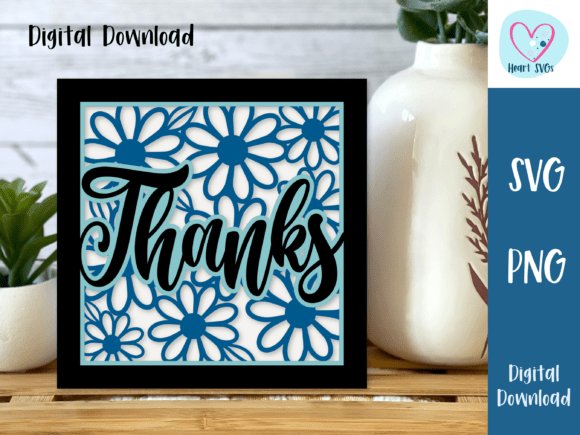
When evaluating a new graphic design asset for a client project, my primary concern is always versatility and structural integrity. Recently, while developing a post-purchase experience strategy for a boutique candle brand, I needed a tangible touchpoint that felt premium yet remained cost-effective to produce in-house. This led me to test the Thank You Cut out Gate Fold Card SVG. As a professional designer, I approach digital files not just as artwork, but as functional components of a larger brand identity. My initial impression of this file was positive; it possesses a clean vector architecture that suggests it was designed with actual assembly in mind, rather than being a purely decorative digital illustration. The mood is appreciative and tactile, bridging the gap between digital convenience and physical warmth, which is exactly what modern small business branding requires to build customer loyalty.
Elevating Unboxing Experiences Through Structural Design
In the context of the candle brand project, the goal was to create an unboxing moment that encouraged social sharing without requiring expensive custom printing. This 3D SVG excels here because it transforms a standard thank-you note into an interactive experience. Unlike flat printable design elements, the gate fold mechanism adds perceived value through engineering. For Etsy product sellers or handmade businesses, this distinction is critical. The file’s ability to function as a cohesive unit means the recipient engages with the brand physically, unfolding the card to reveal the message. This interaction increases dwell time with your marketing visuals, making the gratitude feel more sincere than a pre-printed insert. From a creative design perspective, the cut lines are optimized for blade drag, ensuring that even intricate lace-like details remain intact during production, which preserves the professional finish necessary for high-end retail packaging.
Technical Versatility Across Digital and Physical Media
A robust design bundle must perform across multiple touchpoints. While primarily intended for cutting machines, I tested this asset's adaptability for broader commercial design applications. The vector nature of the SVG design allows for seamless scaling, making it surprisingly effective as a background texture for web design or as a framing element in social media graphics. When flattened for use in a Canva template or Instagram story, the negative space created by the cut-out pattern provides excellent areas for overlaying text or product photography without creating visual clutter.
For Cricut project users and those utilizing other cutting plotters, the file organization is logical. However, its utility extends beyond paper crafting. I successfully adapted the motif for sublimation design on ceramic mugs and tote bags, where the gate fold aesthetic translated into a sophisticated border pattern. This cross-platform functionality makes it a valuable asset for print-on-demand sellers who need consistent visual language across stickers, apparel, and stationery. The fact that this card comes as one piece cut plus the insert piece simplifies inventory management for makers, reducing the risk of mismatched components during high-volume holiday production runs.
Strategic Placement in Brand Ecosystems
Understanding where to deploy this asset is as important as the asset itself. In my testing, the Thank You Cut out Gate Fold Card SVG performs best in large layout areas where the intricacy of the cut can be appreciated. It serves as an exceptional hero graphic for editorial design in lookbooks or as a decorative accent on product mockup presentations. For packaging design, it works beautifully as a belly band alternative or a top-layer sleeve that reveals the product beneath. The interplay of shadow and depth inherent in this 3D SVG adds a layer of luxury that flat clipart simply cannot achieve.
Conversely, designers must exercise caution when integrating this into minimalist corporate materials or dense informational layouts. At very small sizes, such as on a business card footer or a tiny sticker design, the fine details may become muddy or structurally unsound. It is also less suitable for projects requiring strict, austere professionalism, such as legal documents or medical forms, where ornate greeting cards aesthetics might undermine authority. Furthermore, if your visual hierarchy relies on bold, solid blocks of color, the airy nature of this cut-out design might compete rather than complement. It demands breathing room to maintain its elegance and readability.
Impact on Visual Hierarchy and Emotional Connection
The true measure of any digital product is its impact on the end user. This asset significantly enhances emotional appeal by signaling effort and care. In a market saturated with generic illustration and automated emails, a structured, dimensional card creates a memory anchor for the brand. From a hierarchy standpoint, the gate fold naturally guides the eye inward, creating a focal point for your core message or logo. This directional flow is a powerful tool in modern design, subtly controlling how the recipient consumes information. For content creators and bloggers documenting their process, showcasing the assembly of this card reinforces a narrative of craftsmanship and attention to detail, boosting audience engagement through authentic behind-the-scenes content.
Critical Pre-Flight Checks for Professional Implementation
Before committing this asset to a paid client deliverable or commercial product line, rigorous testing is non-negotiable. As part of my standard workflow for evaluating design assets, I recommend the following practical checks:
- Contrast Testing: Always preview the SVG in solid black against white and vice versa. Intricate cuts can disappear on mid-tone backgrounds. Ensure the silhouette reads clearly before applying color or gradients.
- Typography Pairing: Test the card with various font styles. A delicate script font often complements the ornate nature of gate folds, while a bold sans serif can provide necessary modern contrast. Avoid overly decorative display fonts that fight with the card’s own ornamentation.
- Material Simulation: Not all cardstocks behave identically. Test the file on the specific paper weight you intend to use. Heavyweight cardstock may require adjusted blade pressure or score lines to prevent tearing at the fold points.
- Resize Validation: Although it can be resized to fit any square envelope, verify the aspect ratio after scaling. Distorting the proportions to fit a non-standard size can ruin the symmetry of the cut pattern.
- Licensing Audit: Confirm the commercial license terms explicitly. Some creative marketplace listings restrict the use of SVGs for physical products versus digital templates. Clarify if you can sell the finished card or only use it as packaging.
- File Integrity: Open the file in multiple vector editors (Illustrator, Inkscape, Affinity) to check for stray nodes or open paths that could cause cutting errors. Clean geometry ensures smoother production.
Final Verdict for Commercial Application
After thorough evaluation, the Thank You Cut out Gate Fold Card SVG proves to be a highly competent tool for designers focused on experiential branding. It successfully merges the technical requirements of machine cutting with the aesthetic demands of premium greeting cards. For small business owners, marketers, and crafters, it offers a scalable solution to elevate customer touchpoints without prohibitive costs. Its strength lies in its duality: it is both a functional packaging component and a versatile PNG design element for digital extension. Provided you respect its spatial needs and validate its technical performance on your chosen substrates, this asset is a worthy addition to any professional design bundle. It represents the kind of thoughtful, multi-use resource that supports sustainable creative workflows and delivers tangible value in real-world client projects.