Ball Papercut Card Template SVG 2 Review
As a designer who bridges the gap between digital vector art and tangible textile products, I approach every new file with a specific question: will this actually work when thread hits fabric? When evaluating Ball Papercut Card Template SVG 2, my perspective shifts from pure graphic design to practical application. While this asset is categorized under Cards And Invites and formatted as a 3D SVG for cutting machines, its intricate layering and bold geometry offer unique opportunities for mixed-media creators. For embroidery designers, Etsy sellers, and makers looking to expand their product lines, understanding how to translate this papercut aesthetic into stitch or complementary branding is essential for creating high-value handmade products.
Translating Paper Layers to Stitch and Style
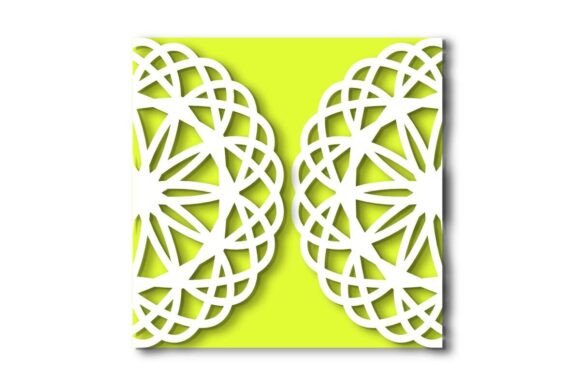
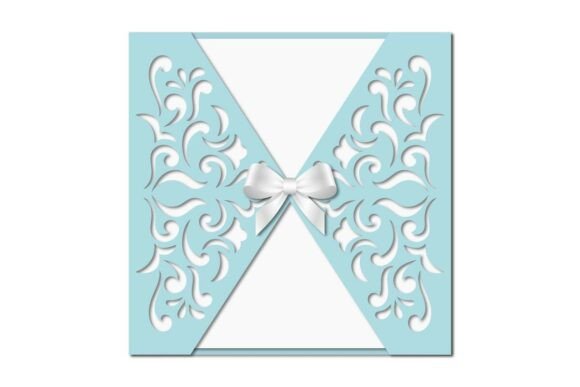
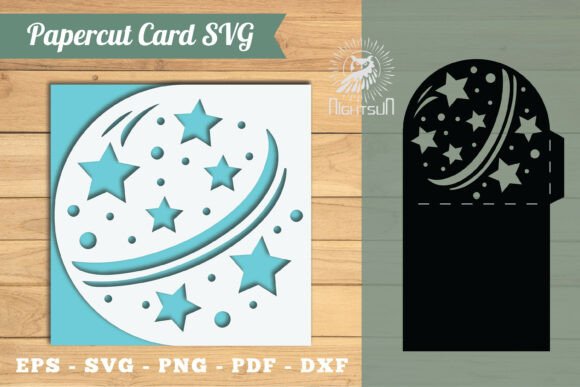
My first impression of Ball Papercut Card Template SVG 2 is one of structured elegance. The design relies on depth, shadow, and precise negative space—elements that define the papercut genre. Visually, it creates a mood of celebration and sophistication, making it naturally suited for holiday embroidery, wedding gifts, or boutique branding. However, because this is originally a 3D SVG intended for card stock, an embroidery designer must interpret rather than simply convert. The "ball" shape provides a contained, balanced canvas that works beautifully as a central motif on a sweatshirt embroidery project or as a decorative emblem on a tote bag design.
For those working with machine embroidery design software, the distinct layers of this template serve as an excellent roadmap for creating applique designs. Instead of viewing the file solely as a cut pattern, see it as a color block guide. Each layer in the papercut style can correspond to a different fabric piece secured with satin stitch borders, or a specific fill stitch region. This interpretation maintains the visual personality of the original Ball Papercut Card Template SVG 2 while ensuring the final embroidered patch or garment decoration has structural integrity. The bold shapes suggest that this design will read well from a distance, which is critical for commercial embroidery projects where immediate visual recognition drives buyer engagement.
Real-World Application: The Custom Sweatshirt Test
To truly judge the viability of this asset, I mentally placed it into a current real-life scenario: developing a line of premium crewneck sweatshirts for a small shop product launch. My goal was to create a personalized gift that felt modern yet timeless. Using Ball Papercut Card Template SVG 2 as the foundational artwork, I envisioned a mixed-media approach. The primary ball shape could be executed as a large-scale applique using textured linen, anchored by clean running stitch details to mimic the paper edges.
In this context, the design performs exceptionally well because the 3D SVG format ensures crisp, scalable lines. When digitizing for apparel, these clean vectors reduce the guesswork in setting stitch density. For a sweatshirt, which has significant loft and stretch, the defined boundaries of the ball shape help prevent distortion during stitching. Customers react positively to designs that look intentional and professional; the geometric precision of this template communicates quality. Furthermore, because the file package includes AI CS6, EPS, and PDF formats, I can easily resize the artwork for printable mockups to test market appeal before committing to production. This versatility makes it a valuable asset for creative entrepreneurs managing both physical inventory and digital marketing.
Navigating Fabric Limitations and Hoop Constraints
Despite its versatility, Ball Papercut Card Template SVG 2 requires careful consideration regarding placement and substrate. As a reviewer, I must highlight where caution is necessary. The intricate internal cuts typical of papercut styles can become problematic if scaled down too small for embroidery. If you are attempting baby embroidery on delicate onesies or designing for caps with curved surfaces, the detailed inner sections may get lost or cause fabric puckering. Small hoop sizes often struggle to maintain the registration needed for such layered aesthetics.
Fabric texture plays a massive role in the success of this design. On smooth cotton or canvas tote bags, the translation from digital 3D SVG to stitched reality is seamless. However, on highly textured fabrics like terry cloth towels or thick fleece, the fine details inherent in the papercut style may disappear. In these cases, simplification is key. You might need to merge inner layers or increase the width of satin stitch borders to ensure clarity. Additionally, dark fabrics present a challenge; papercut designs rely on shadow for depth, but in embroidery, contrast comes from thread colors. Testing light and dark fabric backgrounds is non-negotiable. Without adequate contrast, the dimensional effect flattens out, reducing the perceived value of the finished product.
Elevating Brand Value Through Technical Precision
Using Ball Papercut Card Template SVG 2 effectively goes beyond aesthetics; it impacts customer trust and brand consistency. When a buyer receives a custom apparel item or a holiday gift featuring this design, they are judging the craftsmanship. A design derived from high-quality vectors like the included EPS and DXF files allows for superior digitizing compared to tracing low-resolution images. This results in smoother curves and fewer jump stitches, directly influencing the professionalism of the output.
For Etsy sellers and digital product sellers, this asset also supports backend business operations. The High Quality PNG included in the package is perfect for creating listing photos and social media content without needing to stitch a sample immediately. This accelerates the time-to-market for new collections. Moreover, the cohesive look of the Ball Papercut series allows for brand extension; you can use the same visual language across cards, packaging, and embroidered merchandise, creating a recognizable identity that encourages repeat business. The ability to offer matching digital and physical products enhances the overall giftability and recognition of your shop.
Essential Designer Notes for Successful Execution
Before adding Ball Papercut Card Template SVG 2 to your next embroidery project or product lineup, adhere to these practical guidelines to ensure success:
- Verify Licensing and Specs: The provided file list includes SVG, AI, EPS, PNG, PDF, and DXF formats, but it does not specify stitch counts, hoop sizes, or commercial licensing terms. Always confirm whether you have the rights to sell finished items or digital derivatives before listing products.
- Test on Scrap Fabric First: Never run a complex adaptation of a 3D SVG directly on a final garment. Test stitch density and stabilizer choices on similar scrap material to prevent costly mistakes.
- Assess Stabilizer Needs: Papercut-inspired embroidery often involves multiple layers or dense coverage. Use appropriate cut-away or tear-away stabilizer to support the weight of the design, especially on stretchy knits.
- Check Thread Color Contrast: Since the original design relies on paper shadows, you must artificially create depth with thread. Review your palette in black and white mockups to ensure the layers remain distinct.
- Simplify for Durability: If using this for items requiring frequent washing like kitchen towels or baby clothes, avoid tiny floating elements. Secure all edges with adequate satin or zigzag stitching to prevent fraying over time.
- Leverage Vector Editability: Utilize the AI CS6 or EPS files to modify the design for specific applications. Removing internal details for a minimalist version or enlarging specific sections for better stitch-out is often necessary for optimal results.
Ultimately, Ball Papercut Card Template SVG 2 is a robust starting point for makers who understand the translation process between screen and needle. By respecting the technical requirements of embroidery while leveraging the clean geometry of the source files, you can create stunning, market-ready products that stand out in a crowded handmade marketplace.